What Cyrano Knew That We Are Forgetting By Amelia Clune

In an age of algorithms and borrowed voices, the imperfect, human stories we share may be

what keep us connected.

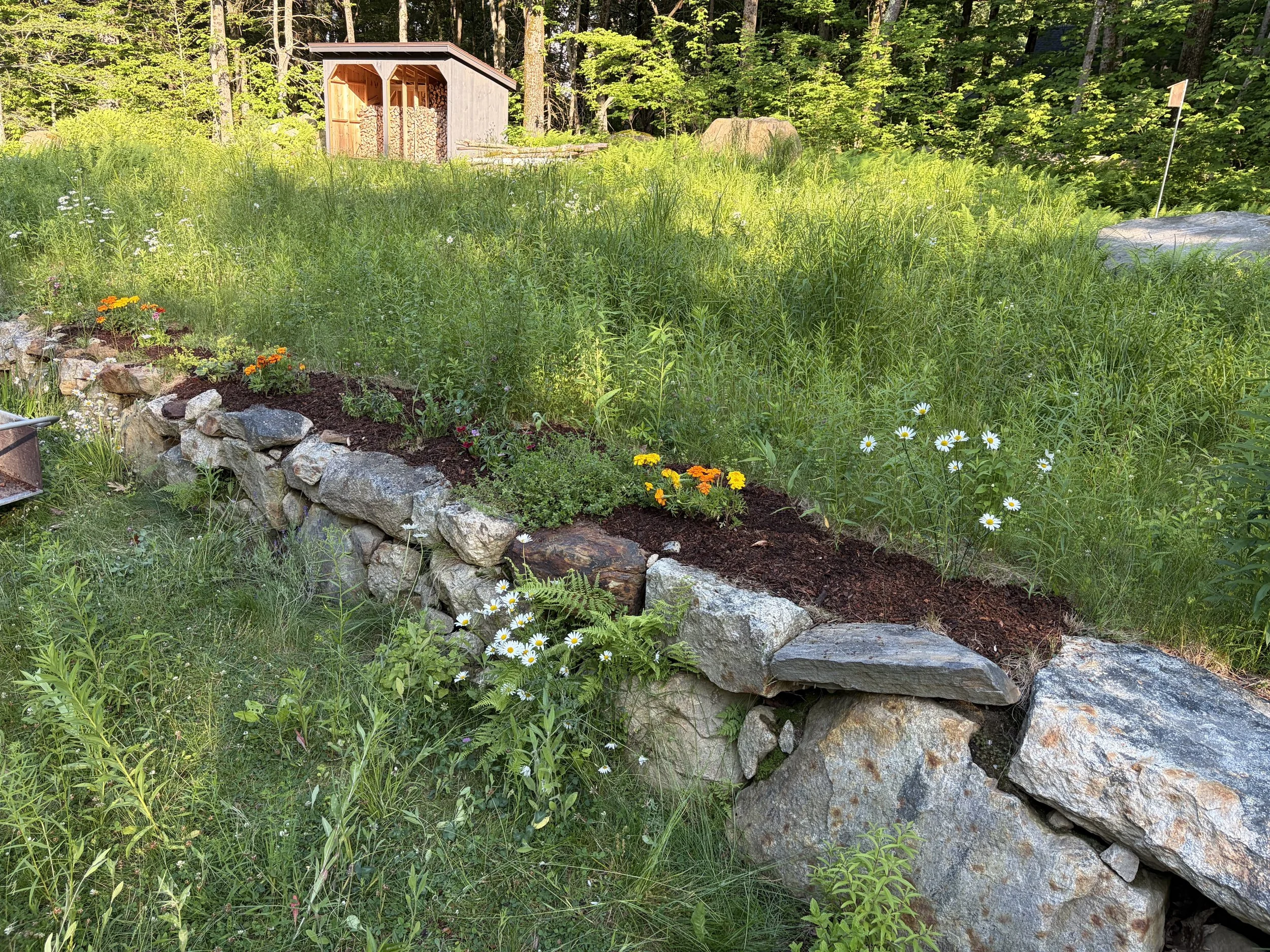
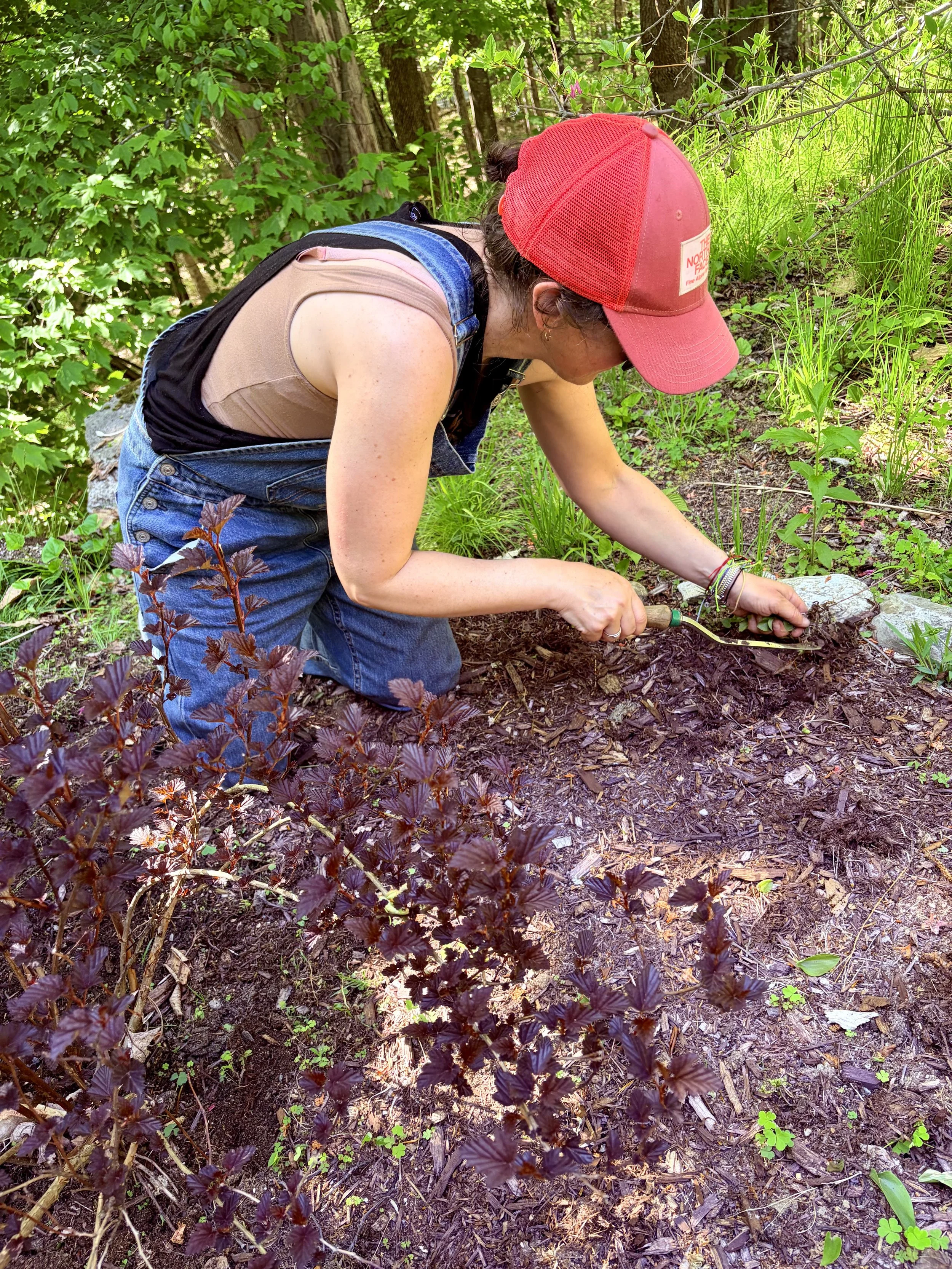
Last Saturday morning, I was weeding a flowerbed in Hancock, New Hampshire. The only sounds were birdsong, which called back a line I had not thought about in years: "You love the little birds? How kind of you to build this bower for their little claws to rest in."
 The line comes from the opening scene of Jean-Paul Rappeneau's 1990 film Cyrano de Bergerac, based on Edmond Rostand's 1897 play of the same name. A young actor's pompous performance infuriates Cyrano. Uninvited and utterly unconcerned with the consequences, he interrupts the play and delivers, in a single unbroken breath, a dazzling cascade of insults about his own enormous nose—so devastating and so funny that the entire theater falls silent before erupting in applause. It is one of the greatest displays of verbal swordsmanship in Western literature. Though Cyrano appears to mock another, every joke ultimately circles back to his own deepest insecurity.


These days, I am fortunate enough to spend much of my time moving between gardens in the Monadnock region of New Hampshire: tending to flower beds in Hancock, Peterborough, and Nelson. Perhaps that is precisely why the film returned to me. There is something about communing with the earth —about rooting and uprooting—that calls forth memories long planted within us. The recollection arrived unexpectedly, and with it, a quiet delight.


A few years ago, a new generation rediscovered Cyrano when Peter Dinklage starred in Erica Schmidt’s musical adaptation of the classic play. That production reminded me instead of the adaptation that first captured my imagination: Jean-Paul Rappeneau's magnificent 1990 film, with Gérard Depardieu in one of the great performances of his career, and of Roxanne (1987), Steve Martin's witty American retelling of the same story. Each version asks the same question: can someone believe themselves worthy of love when they are convinced their greatest flaw is the first thing the world sees?


That is the paradox of Cyrano: his weapon is his wit, and he wields it with unrivaled brilliance. Yet beneath that brilliance lies someone far more tender. He becomes convinced that his large nose disqualifies him from being loved. So, when the woman he adores falls for Christian—a handsome but tongue-tied young cadet—Cyrano does not confess his feelings. Instead, he hides behind Christian's face, writing the letters that Christian delivers and, under the cover of darkness, whispering the words beneath Roxane's balcony.

He lends another man his own voice—the very voice with which Roxane falls in love.

In that scene beneath the balcony, Cyrano admits something he has almost certainly never said aloud before: that he has always hidden his heart behind his wit, out of fear. His cleverness has been his armor all along. Only in the darkness, unseen and borrowing another man's face, does he finally lay his heart bare.

And it very nearly works. Roxane falls deeply in love—with the voice, though she believes it belongs to another man's face.
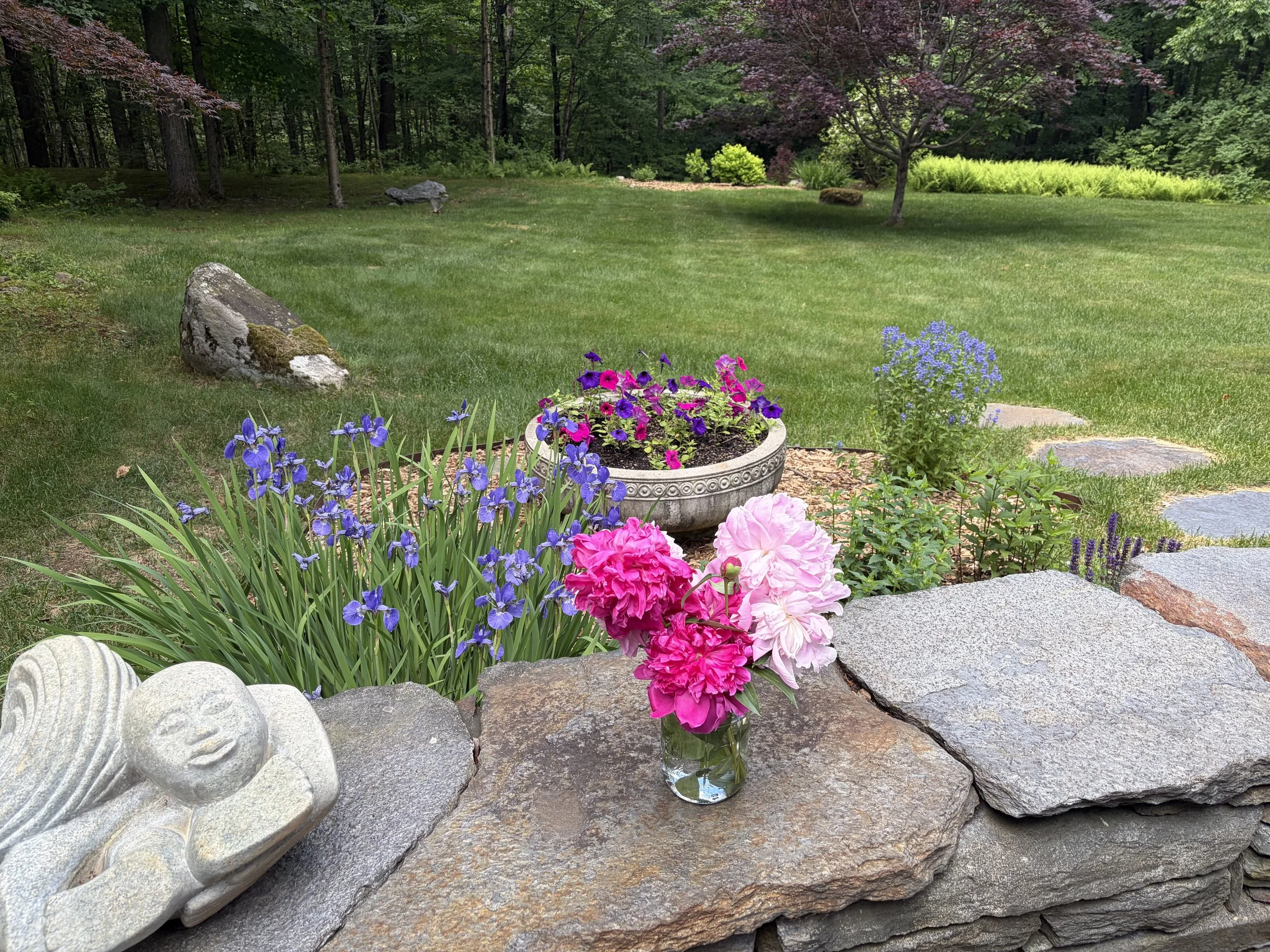
 

Only at the end of the play, as Cyrano lies dying, does she finally understand the truth: it was his soul she had loved all along. Reading his final letter, she realizes that the voice she cherished was always his. She describes his letters this way: "Each separate page was like a flower petal, plucked from your soul, and sent wafting into mine."


Her words recall the imagery of the Song of Songs, where love is expressed through gardens, flowers, fountains, and growing things: "I am the rose of Sharon, and the lily of the valleys" (2:1); "A garden enclosed... a fountain sealed" (4:12). In both works, love speaks in living, rooted particulars. Borrowed language—even when beautiful—cannot do the same, because it has no roots in the heart from which it comes.


To this day, what has stayed with me has very little to do with seventeenth-century Paris, and quite a lot to do with the summer of 2026.


There is, I think, a compelling argument for leaving the house and joining the community rather than remaining at home with a screen and an algorithm. A film watched alone on a device, curated especially for you, is a private experience—pleasant, perhaps, but solitary. A film watched in a dark theater with friends, neighbors, and strangers becomes something else entirely: a shared emotional experience. Everyone gasps at the same moment. Everyone laughs—or doesn't—together. And when the lights come up, you leave changed alongside the people who shared those two hours with you. That shared experience—that fleeting sense of connection—is something no algorithm, no matter how well it knows your tastes, can replicate.


We are, all of us, being offered a great many masks—and, with them, borrowed voices. It is easier than ever to let something else write our words for us — to let an algorithm smooth the edges off a text message, a wedding toast, a love letter, until it says something plausible and pleasant and true of no and to no one in particular. AI can mimic the form of feeling; it can produce a sentence shaped exactly like longing. What it cannot replicate is the lived experience from which longing arises.

In Book Twelve of War and Peace, Pierre Bezukhov finds himself sharing a prisoner-of-war shed with Platon Karataev, a peasant whose quiet wisdom changes the way Pierre interprets the world. Tolstoy writes that Karataev's simple, plainspoken sayings, "taken without a context seem so insignificant, but when used appositely suddenly acquire a significance of profound wisdom." Elsewhere, Karataev remarks that "a word void of comprehension is meaningless." Together, the two observations suggest that words derive their deepest meaning not from their elegance alone, but from the life and soul of their author.

When we rely on machines to develop and produce our thoughts, the words they generate are, in a sense, beyond comprehension: they do not emerge from lived experience. In doing so, we risk losing what we truly love about one another—the imperfections that make us human. Nathaniel Hawthorne’s short story The Birthmark speaks directly to this tension, exploring the danger of trying to perfect what is inherently already perfect in its very imperfection.


Tragically, Cyrano’s story insists on two truths that he cannot bring himself to believe at the same time: that he is imperfect, and that he is worthy of love.
 

I grew up in Concord when it was still a small New England town with a single-screen movie theater called Cinema 93, run for decades by Barry Steelman, who possessed an encyclopedic knowledge of film and a genuine devotion to bringing foreign and classic movies to a community that might otherwise never have encountered them. I do not know, as I write this, whether that was where I first saw the 1990 French adaptation of Cyrano de Bergerac, starring Gérard Depardieu at the height of his powers. I am still trying to track that down. But I know this: I am grateful to have grown up somewhere that made room for something so specific, so human, and so resistant to easy consumption. Access to experiences like that was never something to take for granted. I am not sure we can afford to take it for granted now.

I have long held to a habit I picked up somewhere along the way: staying culturally alive means making room for at least one film a month in a language other than your own. This month, let Cyrano de Bergerac be your pick. The 1990 Depardieu version is available to rent for a few dollars. If subtitles are not your thing, watch Roxanne, Steve Martin’s 1987 American adaptation, instead.


But if you can, watch it somewhere other than your couch.


Places like the Wilton Town Hall Theatre, which has welcomed audiences since 1912, still exist for exactly this reason. So does the Peterborough Community Theatre, New Hampshire’s oldest continuously operating movie house, and The Park Theatre in Jaffrey, restored after fifteen years of community effort so that the town could once again gather beneath one roof. In Keene, The Colonial Theatre continues its summer classics series, filling seats for films that first captivated audiences decades ago.


These are not simply nostalgic relics. They are among the remaining places where a community can gather to experience the same story at the same moment—to laugh, to grieve, to sit in silence, and to leave carrying something shared.


Both Cyrano de Bergerac and Roxanne end the way Cyrano’s story always has: with someone finally seen for exactly who they are, and loved for it. Perhaps that is the lesson we need most now—not perfection, not polish, not borrowed voices, but the courage to be fully and imperfectly ourselves, together.


--
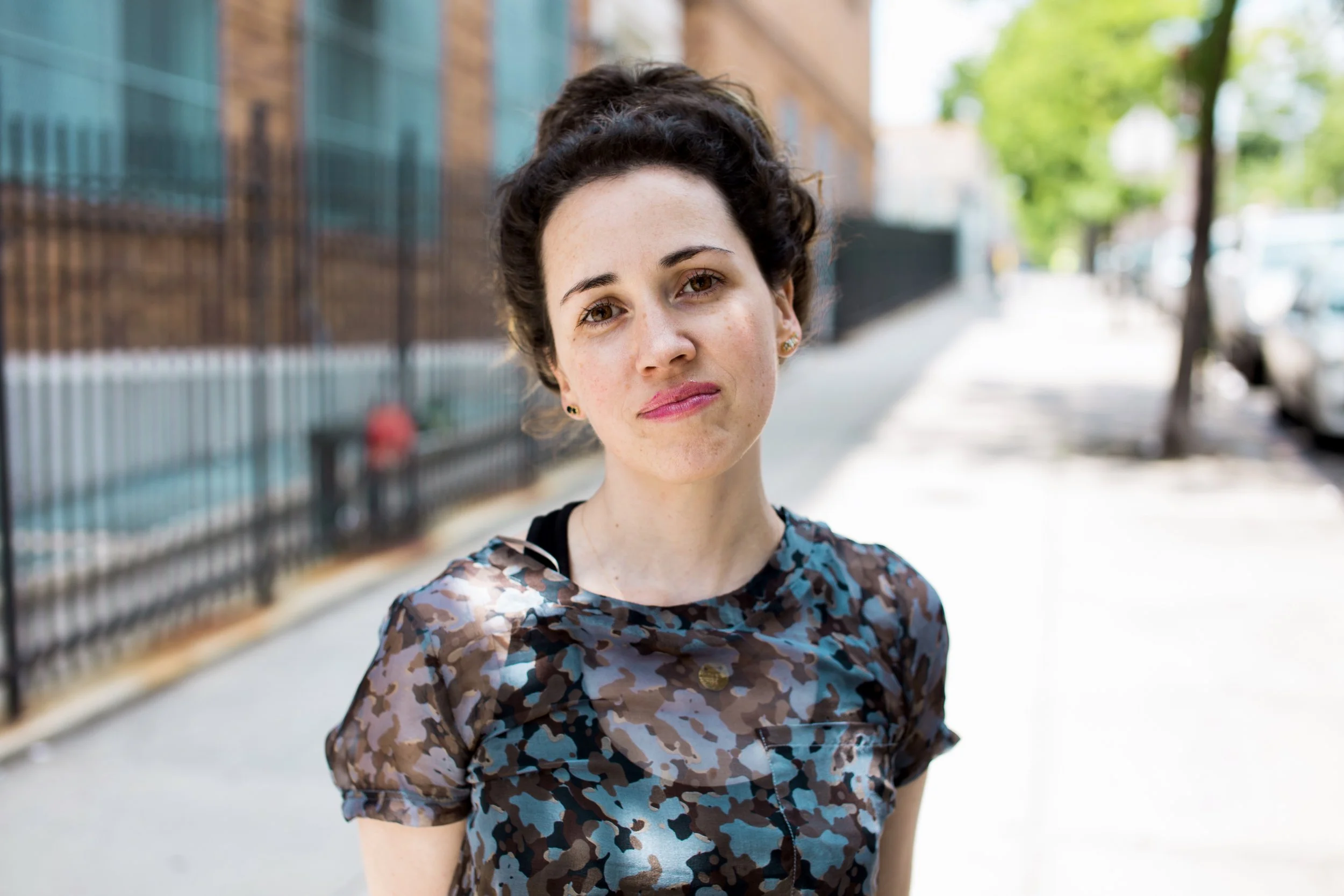
Amelia Clune is a writer and educator based in Nelson, New Hampshire.
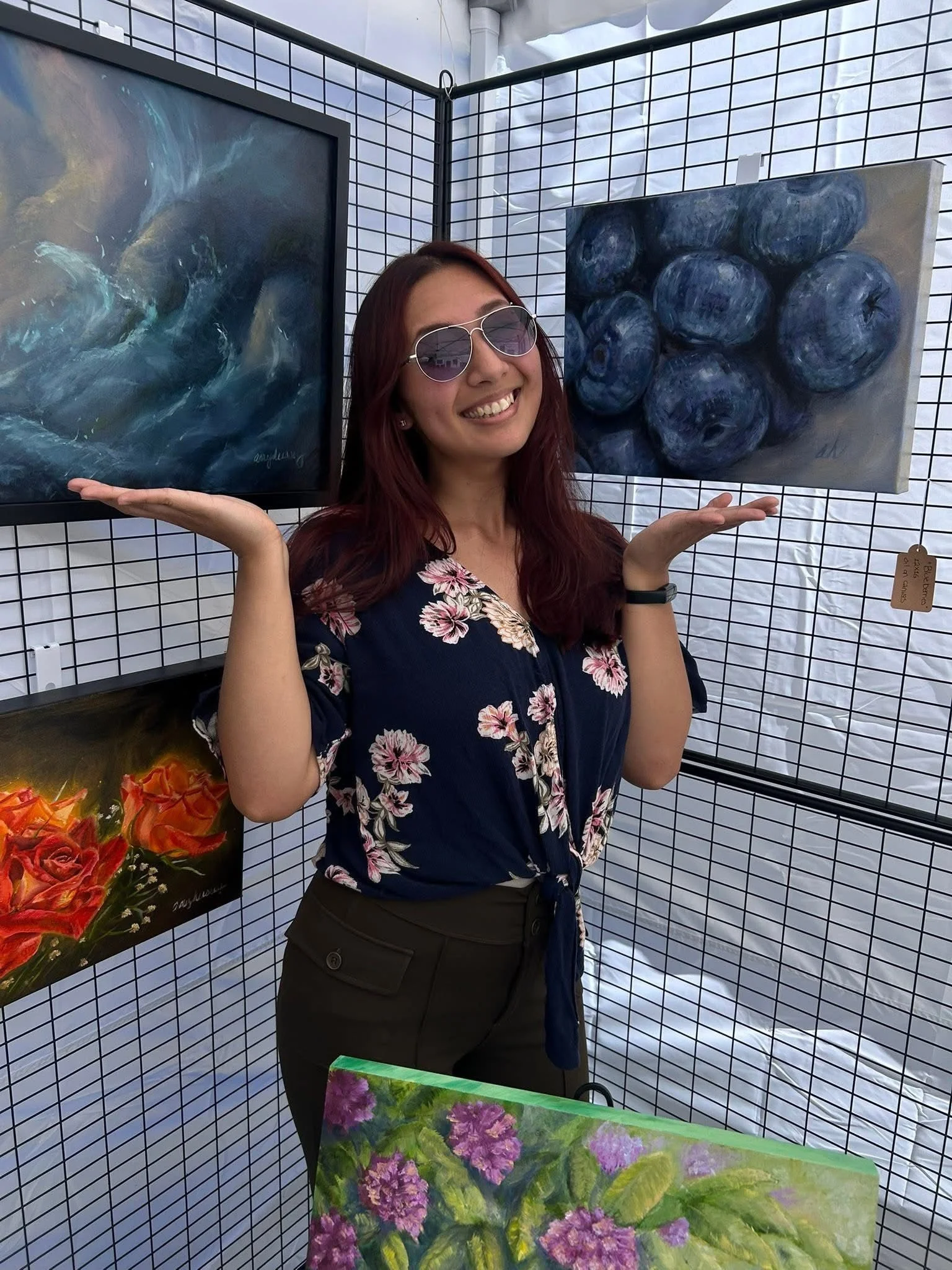
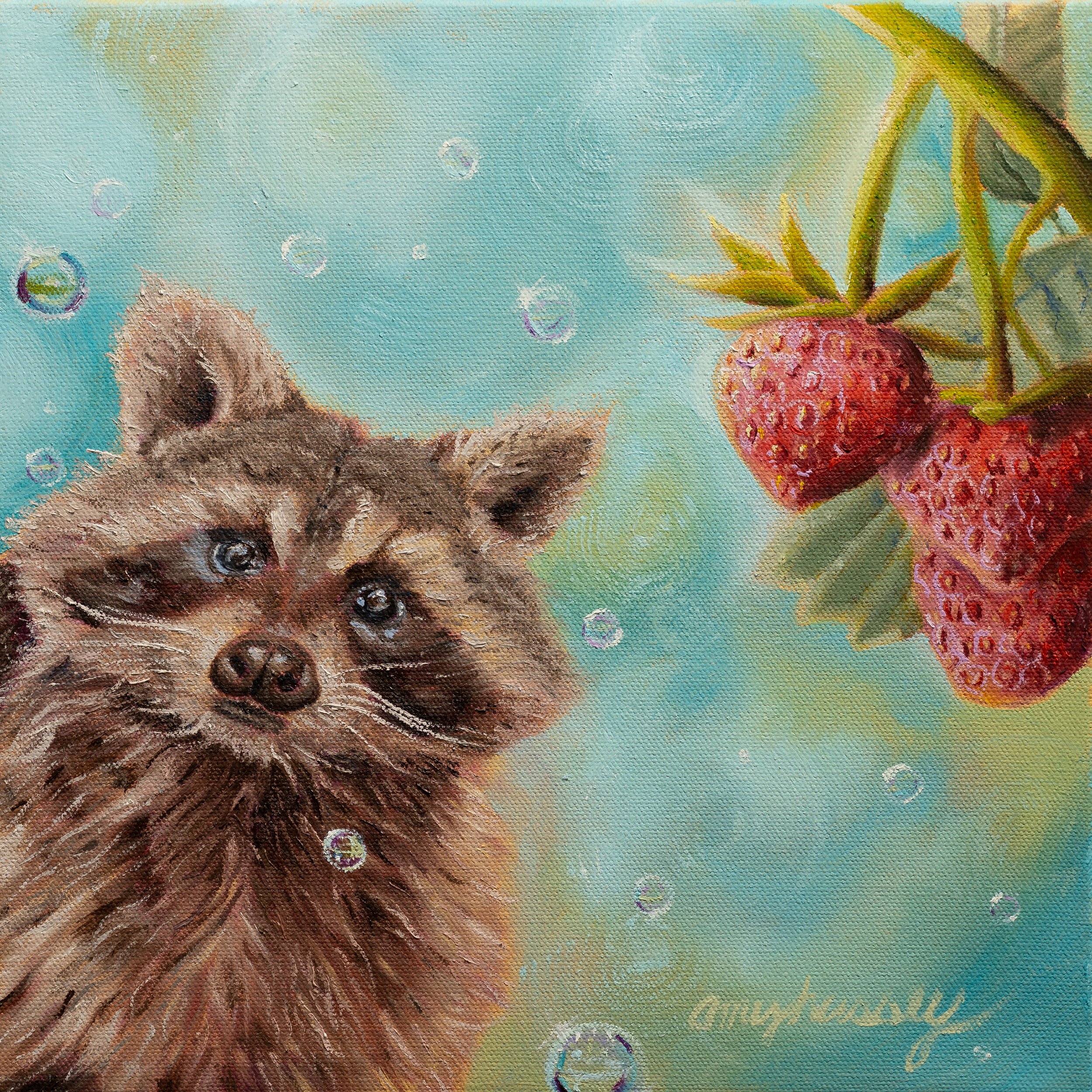
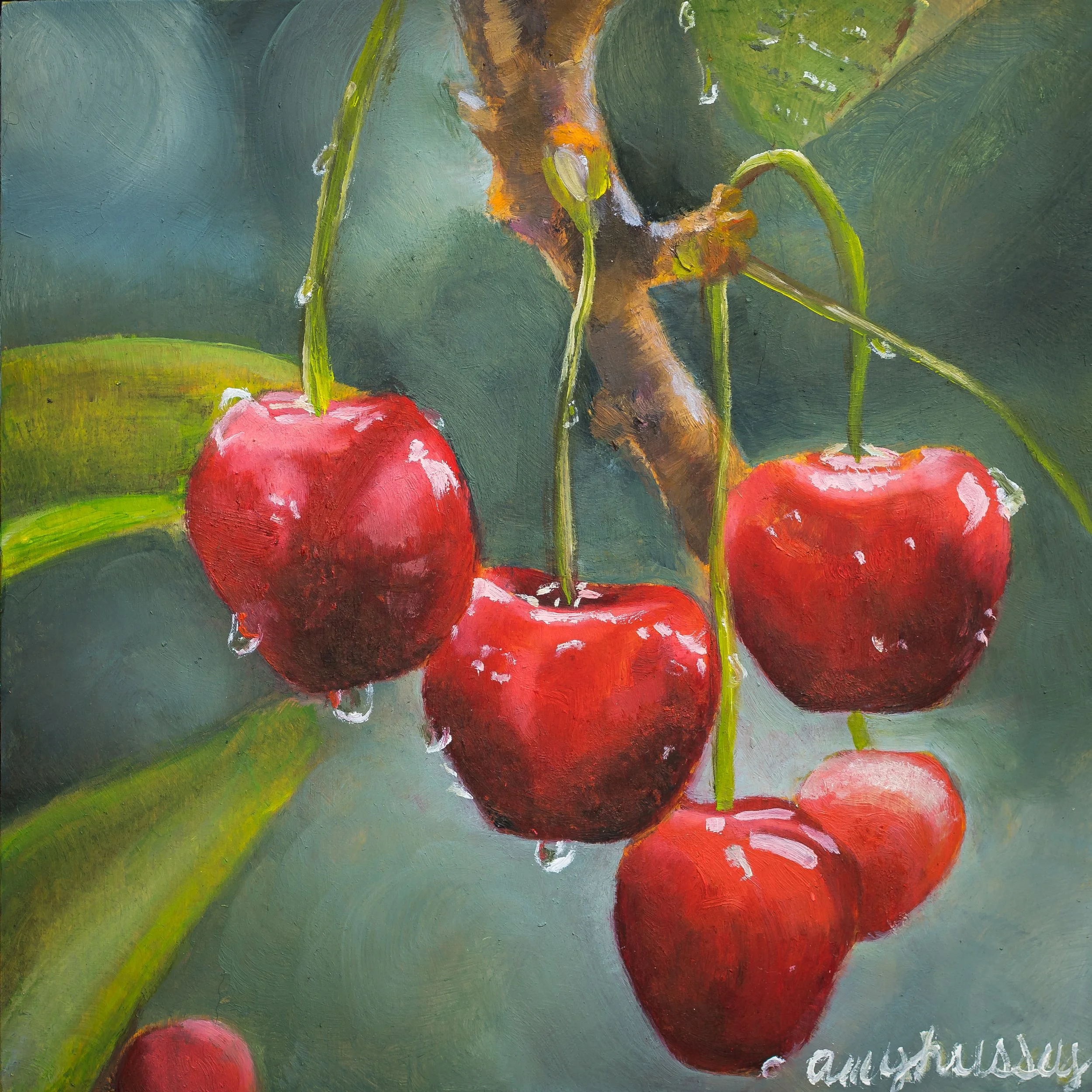
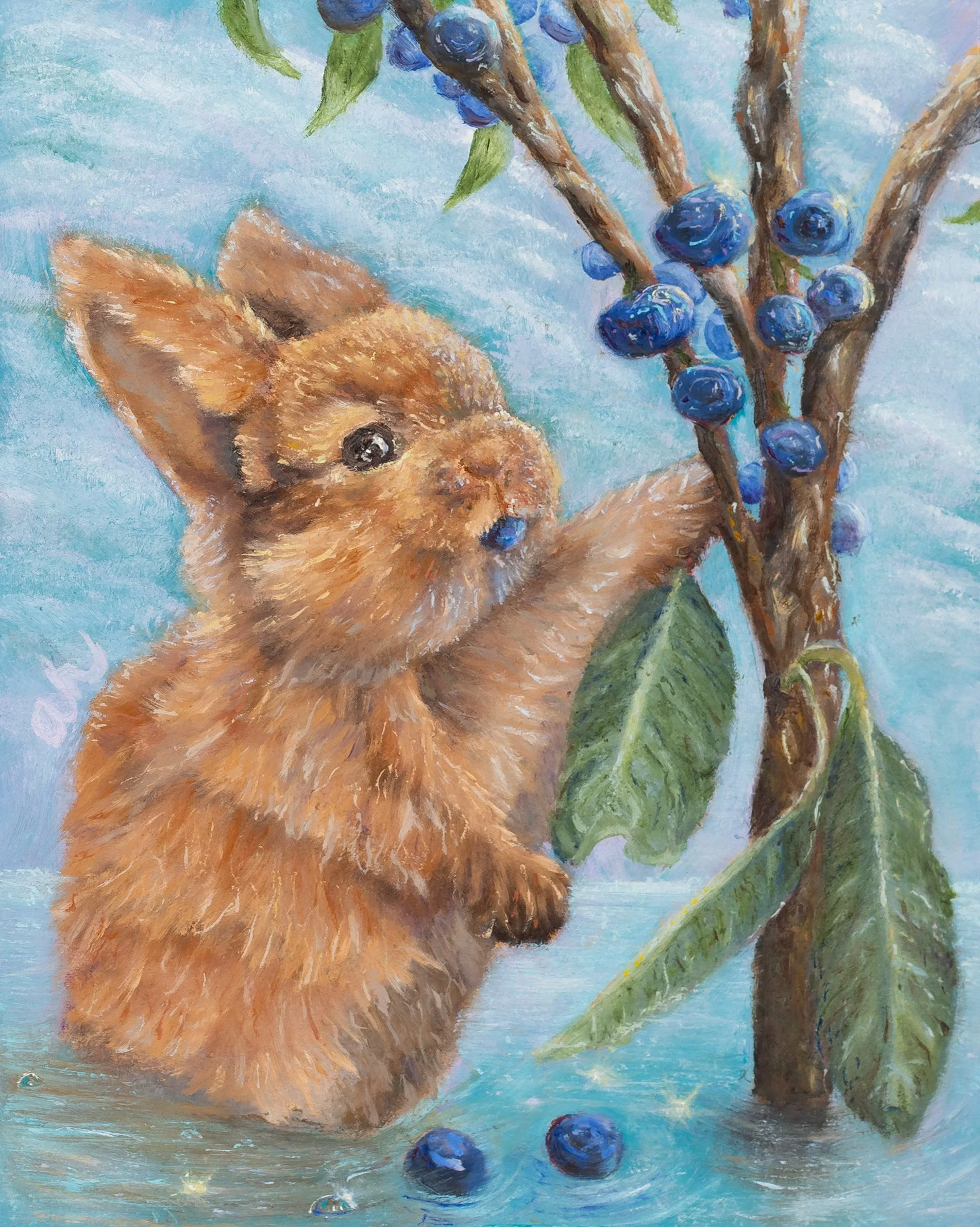
🌱 Mini-Grant Artist Spotlight: Amy Hussey on Nature, Animals, and Finding Joy Through Art

Today, we’re delighted to introduce Amy Hussey and her artwork to the wider Arts Alive community. Amy is one of our recent Mini-Grant recipients, and her work radiates tenderness, patience, and a deep love for the natural world. Read on to learn more about her creative journey, how this grant supports her practice, and what inspires her next.

Where do you feel this project “comes from” in your personal or creative journey?

While I have practiced and created art my whole life, 2025 was the year I decided to start publicly displaying my artwork to our community. There is something to be said about the bond between an artist and the artwork they create, which makes publicizing their craft such a vulnerable experience.

Although it may feel uncomfortable, stepping out of one’s safety zone is a necessary step to grow as an artist as well as an individual. I’m glad that I chose this new direction—the positive responses I have received from friends, family, and the public have encouraged me to continue my artistic journey.


How will this mini-grant help you stretch or grow in your artistic practice?

The more events I am involved in, the more artwork I will make. Shows give me the motivation to create more and more. Trust me, I am full of ideas and prompts; I am constantly thinking of new things to paint!

At every new show, I plan to feature some of my more familiar pieces alongside newer work. That way, repeat followers can always find something fresh—which I hope gives them a reason to keep coming back.


Who do you imagine experiencing your work, and what do you hope they’ll feel or take away?

I have come to realize that the subjects that bring me the most peace are the creations found in nature. Many plants have a particular vibrance to them, while animals radiate soul. Capturing the innocence of a critter’s little mannerisms will never fail to brighten my day.

When it comes to painting animals, my favorite part is adding the final touches to the eyes. When a twinkle of light shines in their eyes, a soul is born—and many people feel deeply connected to something like that.

I envision families with children, animal lovers, and anyone who shares a love for nature enjoying my work. I hope viewers feel the same sense of peace and joy that my art brings me—because life is stressful, and we all need reminders to pause and smile.


How might this project open doors for you down the line—creatively or professionally?

In my experience, every chance to display my work has led to new opportunities—whether that’s an invitation to another event, meeting a fellow artist, or connecting with the public.

I plan to use the grant funds to help cover dues and fees for additional art shows and craft fairs. I hope that with each event, more doors continue to open, allowing me to grow as an artist and elevate my work.

What’s inspiring you lately—music, books, walks, coffee shop eavesdropping?

Traveling! I recently took a trip to Puerto Rico, which inspired me to create a traveling series. I’ll be starting Las Pinturas de Puerto Rico in early 2026.

Seeing different cultures, architecture, and scenic landscapes—and experiencing all that the world has to offer—has encouraged me to paint subjects from my recent trip as well as future destinations I’m lucky enough to explore.

Follow Amy on Instagram @amyhusseyart

Images above feature the artist and selected works from her current practice.

Sustaining a Cultural Hub: Arts Alive and Nova Arts

Arts Alive has always held a simple belief: when the arts thrive, communities thrive. That belief has guided us through moments of growth and moments of uncertainty. Even amid the transitions 2025 has brought, our commitment to regional artists and cultural spaces remains unwavering.

One shining example of that ongoing commitment is our partnership with Nova Arts.

A Longstanding Relationship Rooted in Creative Community

Nova Arts has become one of the Monadnock region’s most dynamic cultural hubs—a home for live music, performance, visual arts, and community gathering. Arts Alive is proud to serve as fiscal sponsor for Nova Arts, making it possible for them to focus on presenting world-class live music on stage right here in Keene. This is the type of long-term, behind-the-scenes support that allows creative spaces not just to exist, but to thrive.

Why Nova Arts Matters

In a time when rural arts venues struggle nationwide, Nova Arts stands out as a beacon—drawing touring musicians, elevating local creatives, and enriching the cultural life of downtown Keene. The venue fuels economic vitality, nurtures emerging artists, and provides a deeply needed gathering space for expression and connection.

Arts Alive’s continued support is part of our mission to ensure that cornerstone institutions like Nova Arts remain strong pillars of the region’s creative ecosystem.

Looking Ahead

As our Interim team—Jay House and Hallie Driscoll—leads Arts Alive through a thoughtful realignment of programming, we remain focused on direct service to artists and cultural organizations. By mapping available resources, identifying gaps, and cultivating new collaborations, we are working to build a future where spaces like Nova Arts not only survive but flourish.

Nova Arts embodies the spirit of possibility that defines the Monadnock arts community. We are honored to play a role in sustaining that vision.

Just say the word.


From Advocacy to Impact: How Arts Alive! Helped Spark the Creation of MAXT Makerspace

As Arts Alive has regrouped this year to focus more deeply on core programming, the statewide cultural landscape shifted dramatically—including the near collapse of the New Hampshire State Council on the Arts early in 2025. In moments like these, it becomes even clearer how essential it is for local arts organizations to lean into their role as community anchors. 

This truth is woven through Arts Alive’s history. Under the leadership of long-time former Executive Director

Jess Gelter, Arts Alive grew from a small advocacy collective into a vibrant regional resource. Her work helped lay the foundation for projects that continue to shape the creative economy today—including the launch of MAXT Makerspace in Peterborough, one of our region’s most successful examples of community-driven creative development.

A Catalyst for Creative Infrastructure

Before MAXT opened its doors, the Monadnock region had no dedicated hub for makers, artists, tinkerers, and small creative businesses, despite the long history of manufacturing and entrepreneurship in the region. 

Today, MAXT Makerspace serves as a vibrant center for woodworking, metalworking, digital fabrication, studio arts, and entrepreneurial incubation. It supports hundreds of creatives annually and has become a model for rural creative infrastructure statewide.

Continuing the Work of Regional Capacity-Building

As we celebrate 15+ years of accomplishments like supporting the creation of MAXT, we remain committed to turning moments of uncertainty into opportunities for innovation. This winter, our board and staff are mapping resources across the region, identifying gaps, and exploring new collaborations to ensure that the next big creative idea has what it needs to take root.


With the energy and fresh perspective of our Interim team—Jay House, Director of Fundraising and Operations, and Hallie Driscoll, Community Operations Coordinator—Arts Alive is pausing some of our activities to realign programs with community needs. Our past success with projects like MAXT Makerspace illuminates what is possible when we invest deeply in local creative ecosystems.


Arts Alive announces Leadership Transition

Arts Alive announces Leadership Transition

In an announcement to its community Arts Alive shared, “It is with sadness and gratitude that the Board of Directors of Arts Alive announces the departure of our Executive Director, Jessica Iris, after eleven remarkable years of dedicated service. Under her visionary leadership, our organization has flourished, touching countless lives in our community and establishing Arts Alive as a cornerstone of our local cultural landscape. Her passion, creativity, and unwavering commitment have built the strong foundation that will carry us confidently into our next chapter.”

Updates from Arts Alive’s Creative Community—May 2025

Updates from Arts Alive’s Creative Community—May 2025

Latest news from our members! Viva Bach Peterborough shares springtime “Bach in the Subways” performances and announces their upcoming Fall Festival; Jaffrey Civic Center celebrates the success of its fourth annual Gala Live Auction, debuts a new website, and updates visitors on building renovations; Tara Novak performs in The Light in the Piazza and prepares for her Irish band Ishna’s first-ever studio album; Rodger Martin celebrates two poetry publications and a spring trip to Ireland; Mona Brooks invites community members to contribute stories and photographs to an immigration-focused exhibit at The Art Source Fine Arts Gallery; and kcs ARCHITECTS celebrates 10 years in business, a new studio space, multiple awards, and an open house during Marlborough Art Day.

Arts Alive awards 18 mini grants to local artists

A panel of peers in the arts community selected 18 local artists and creative businesses to receive an Arts Alive mini grant. This year, 43 total applicants sent artist bios and descriptions of their project for review. Selected projects received funding to either expand the artist’s or business’s professional abilities or increase the amount of people they reach with arts experiences.

We’re really delighted that the mini grants program can open the doors for folks to pursue their dreams and reach their community. – Jennifer Paone, Board Co-Chair

The 2024 mini grant awardees are:

Hannah Banana

Visual artist Hannah Banana Clark, who intends to use the grant to purchase supplies and promotional materials for an old-train-car-turned-new-community-maker-space called “The Banana Box” in Swanzey, NH.

Keene Senior Center Executive Director Kimberly Rumrill, who will use the grant to fund the purchase and installation of molding and hanging rods to hang paintings for a new art gallery at the Senior Center.

Local artist and educator Erin Sweeney who will use the grant to help pay for a sign and website for a new art studio in Hancock called Brick House Arts. Sweeney intends to host workshops, pop up art shows, events for all ages, and an Art Table project, among other community collaborations and projects.

Filmmaker and High Cairn Films-founder Chris Hardee, who will use the funds to support free screenings of a new history-focused documentary ‘Good-bye to a House’ to local audiences in the Monadnock region. These screenings involve time, travel expenses, and in some cases, equipment purchase or rental.

Waking Finnegan

Violinist and songwriter Corey Walden, who will use the mini grant to support an album recording by the local Celtic music project Waking Finnegan.

Former librarian Miranda Rosbach, who will use the grant to serve families with children aged 0-12 of Rindge by creating a Mini Maker Art Studio with art classes and interactive experiences and a children's bookshop in her backyard.

Pyrographer, fiber artist, and performer Brenna Morss-Fish, who will use the mini grant to purchase materials to craft unique and fun wood and fiber-based products to support her growing creative business.

Writer and writing coach Becky Karush, who will use the grant to fund a week at Welcome Hill Studios in Chesterfield, NH to provide uninterrupted writing time to work on the third draft of her WWII-themed historic fiction novel.

Artist and arts educator Sammy Burhoe, who will use the funds to purchase printmaking class materials including a new set of printmaking inks, 2 new rollers and about 25 sheets of fine art paper for students ages 14+ in a public after school program at The Center at Orchard Hill in Alstead, NH. 

Martha Behrens-Temple

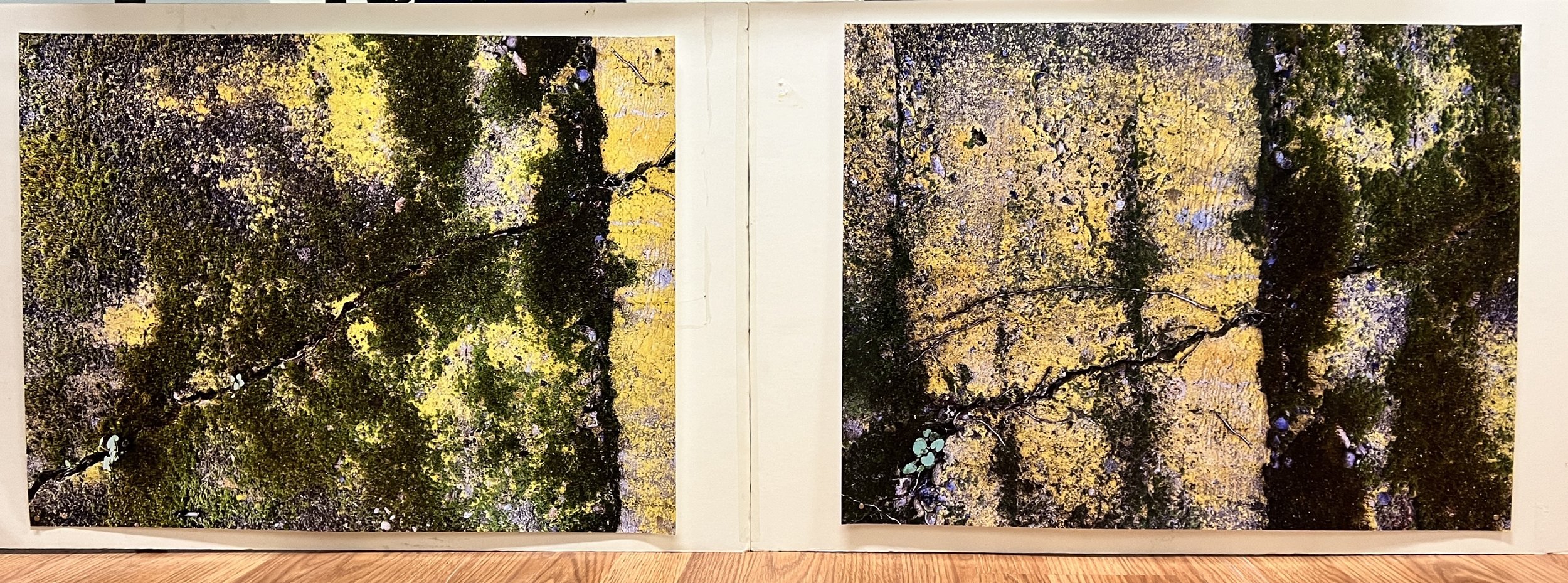
Photographer and mixed media artist Martha Behrens-Temple, who will use the mini grant to gain access to the workshops, materials, and resources available with membership at the Vermont Center for Photography in Brattleboro.

Caroline Tremblay

Author, entrepreneur, and content creator Caroline Tremblay, who will use the grant to fund a solo writing retreat at a farm to provide inspiration and uninterrupted writing time to draft her first novel.

Artist and art teacher Melanie Fedorowicz, who will use the funds to support her growing art practice and creative business in a new studio.

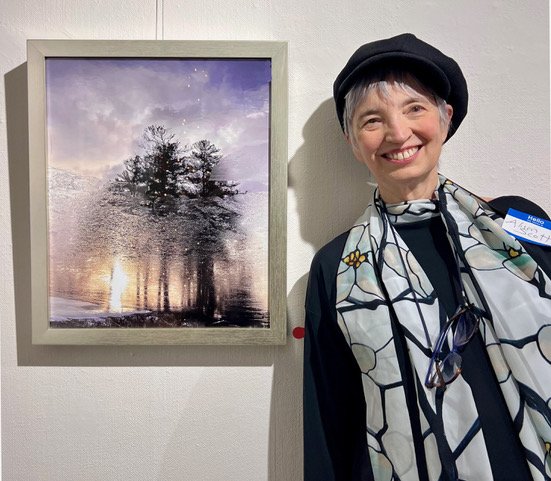
Artist Alison Scott, who will use the funds to purchase frames for artwork to be exhibited in local galleries.

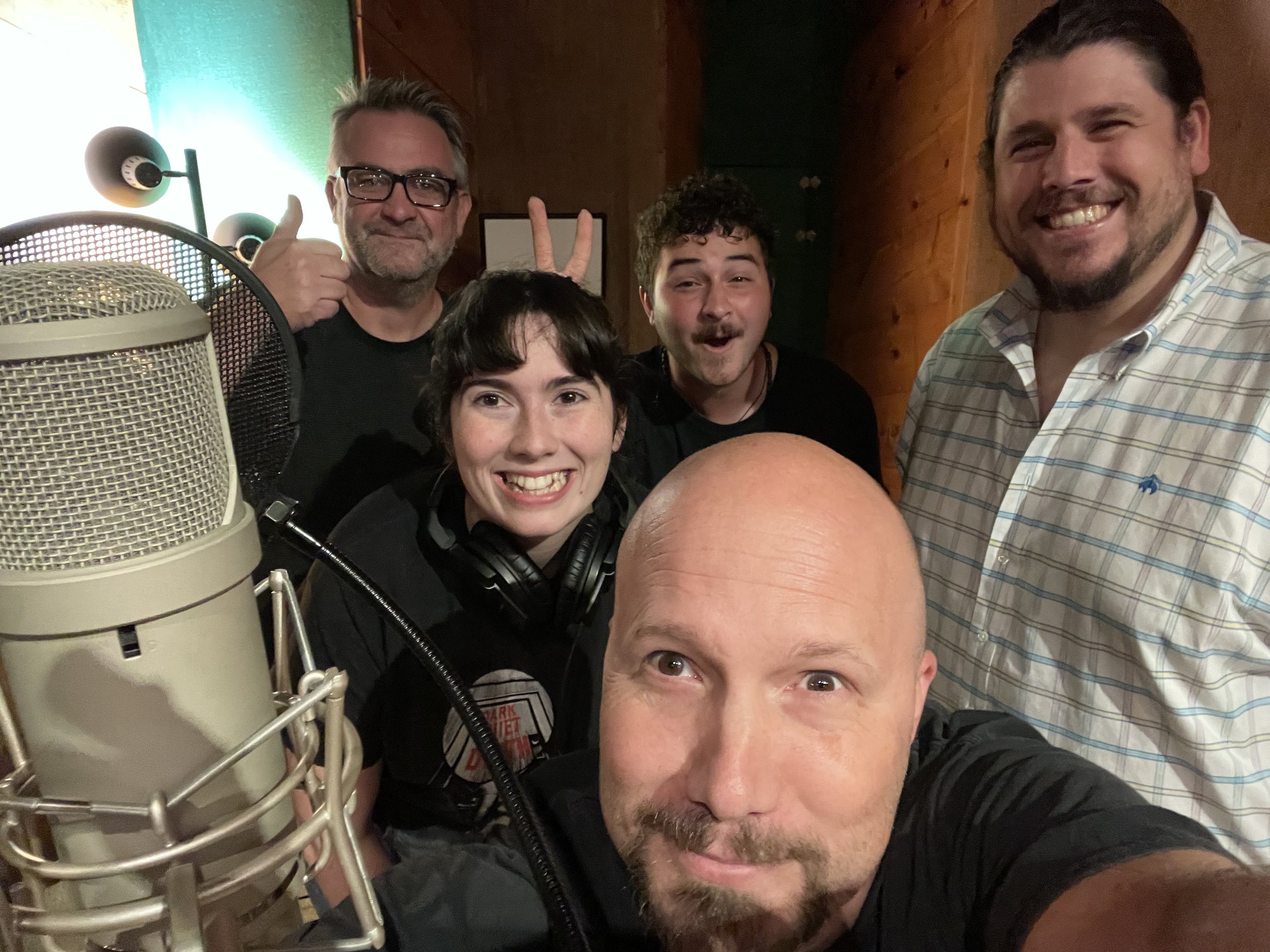
Singer-songwriter and audio engineer Cameron Paul, who will use the mini grant to purchase materials for the construction of a vocal isolation booth for his music studio.

DJ Owen Zoll, who will use the mini grant to purchase an external hard drive for his music.

Photo of ‘Emergent Pines’ and Alison Scott by Diana Place

Independent director, producer, filmmaker, and documentarian Heather Holloway, who will apply the mini grant to the cost of developing, mounting, and framing photography for a public exhibit of a film currently in production.

Interdisciplinary artist, educator, and art historian April Claggett, who will use the mini grant to purchase supplies for an interactive, video-based installation at the Jaffrey Civic Center.

Dance instructor, professional choreographer, and dancer Kristen Walden, who will use the funds to replace props and costumes for classes and performances. 

Arts Alive awarded grants of $200 to $250, depending on the needs of the project and alignment with the nonprofit’s mission of igniting creativity, sparking connections, and nurturing the artists and culture-bearers of the region so that they may spark others to dream, create, and engage.

Kristen Walden by Peter Paradise Photography

Through anonymously collected demographic information, Arts Alive determined that 28% of the mini grant applicants are living near or below the poverty line and over 49% make less than the region’s median income. Additionally, 36% of applicants are caretakers of another household or family member, like a child or an ailing relative.

We’ve begun collecting data to see who is accessing our programs to better understand where the need is. Mini grants are an easy way to say to artists - your ideas are valid, worthy, please keep going! With this bit of funding, we are able to connect artists with money to kickstart their dreams. I wish we had another few thousand to give away each year! - Arts Alive Executive Director Jessica Iris

By accepting the mini grant, awardees agree to use the funds for intended purposes by September 2025. Awardees will also document the impact of the funding on their project. To help raise the $2,000 for this program, Arts Alive conducted a NH Gives Day online fundraiser in June 2024. In October 2024, Arts Alive was able to increase the amount of mini grants available with a generous donation from the The Eppes-Jefferson Foundation.

This year, the mini grants panel consisted of local arts leaders, previous mini grant recipients, and Arts Alive board and staff members including 2023 mini grant recipients Sarita Drew of Everybody Burlesque, musician and composer Tara Novak, musician and sound artist Katie Semro, artist and arts educator Tristan Bridges, and Keene Sentinel journalist and photographer James Rinker. Additionally, Keene State College professor and 2024 Ewing Arts Award winner Christina Wright-Ivanova, Arts Alive board member James Duffy, and Arts Alive Programming Coordinator Nina Taylor-Dunn juried.